
Hāmākualoa, Pa'uwela, Maui
The Paʻuwela region, located just below the Haʻikū Community Center on the windward slopes of East Maui, sits in a lush transition zone between low-elevation Haʻikū rainforest and mid-slope agricultural lands. This area receives high rainfall, has deep gulch systems, and supports a dense mix of native forest remnants, tropical fruit trees, bamboo thickets, and invasive flowering plants.
Honey from Paʻuwela is typically light golden, highly aromatic, and intensely floral-fruity, often with strong seasonal surges driven by guava and eucalyptus bloom cycles.
Character of Pa'uwela Honey
Honey from the Paʻuwela region is typically light golden to medium amber, highly aromatic, and strongly fruit-forward with layered floral depth. It reflects a highly dynamic windward ecosystem where rainfall supports continuous vegetation growth and overlapping bloom cycles.
Common tasting notes include guava jam sweetness, lehua floral resin, eucalyptus herbal depth, and tropical vine florals from banana poka. The result is a honey that is lush, complex, and highly seasonal in intensity.
In regional classification, Paʻuwela honey belongs to the wet windward rainforest–agroforestry mosaic system, where invasive fruiting plants and native forest species together create one of Maui’s richest nectar environments.


Taste the Forest
Top Honey-Producing Plants of the Paʻuwela (Below Haʻikū Community Center) Region, Maui. Our bees are thriving on these sources of nourishment.

Eucalyptus
Scientific Name: Eucalyptus robusta, Eucalyptus grandis, and related species
Common Name: Eucalyptus
Eucalyptus is widely present in Paʻuwela through old forestry plantings, windbreak rows, and scattered homestead trees. It is one of the most dependable nectar sources in windward Maui.
Bloom Season: Variable; often winter through summer depending on species.
Contribution to Honey:
-
Strong seasonal nectar producer
-
Produces medium amber honey
-
Herbal, menthol-like, slightly medicinal notes
-
Can strongly shape regional honey character during bloom events
Ecological Notes:
Eucalyptus often bridges nectar gaps between guava-heavy and native forest flowering periods.
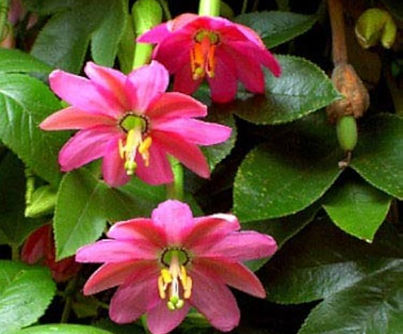
Banana Poka
Scientific Name: Passiflora tarminiana
Common Name: Banana Poka
Banana Poka is a vigorous invasive vine common in Paʻuwela’s gulches and forest edges. Its large, striking flowers are frequently visited by honey bees during bloom periods.
Bloom Season: Spring through summer.
Contribution to Honey:
-
Moderate but widespread nectar source
-
Produces light, aromatic honey
-
Tropical, tangy floral notes
-
Enhances complexity of windward honey blends
Ecological Notes:
Its ability to spread across canopy gaps makes it a significant though secondary nectar source in disturbed forest zones.

Strawberry Guava
Scientific Name: Psidium cattleianum
Hawaiian/Common Name: Waiawī
Strawberry guava is the dominant nectar plant in Paʻuwela. It forms thick, almost continuous stands along gulches, fence lines, and forest edges, producing one of the most important honey flows in all of windward Maui.
Bloom Season: Spring through summer (often extended in wet years).
Contribution to Honey:
-
Primary nectar source in the region
-
Produces light to medium amber honey
-
Strong tropical fruit, berry, and jam-like sweetness
-
Creates highly aromatic “guava blossom honey” profiles
Ecological Notes:
Its aggressive spread ensures near-continuous nectar availability across much of the year in wet conditions.

ʻŌhiʻa Lehua
Scientific Name: Metrosideros polymorpha
Hawaiian Name: ʻŌhiʻa Lehua
ʻŌhiʻa remains the backbone of native forest ecosystems in Paʻuwela’s gulches and upper canopy remnants. Its bright red lehua flowers are a critical nectar source for native pollinators and honey bees alike.
Bloom Season: Year-round with strong seasonal peaks.
Contribution to Honey:
-
Key native nectar source
-
Produces light golden honey
-
Soft floral, slightly resinous forest flavor
-
Adds depth and “native forest” character
Ecological Notes:
Supports watershed stability and provides continuity of nectar flow when invasive species are not actively blooming.